
Zohran Mamdani Religion: What Is His Faith and How Does It Shape His Public Life?

The topic of Zohran Mamdani religion has attracted growing public interest as the New York politician has gained national attention. Many people want to know what faith he follows, whether religion influences his political views, and how he discusses his beliefs in public.
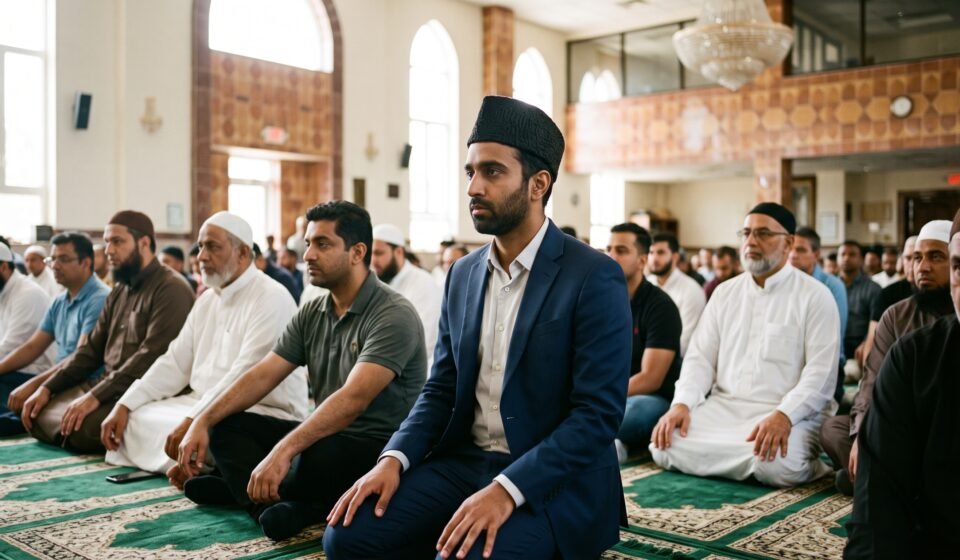
The short answer is that Zohran Mamdani is Muslim. He has openly identified as a Muslim and has spoken about his experiences as a Muslim American in both political and public settings. However, like many elected officials, he emphasizes representing people of all backgrounds rather than governing according to religious beliefs. Understanding his faith requires looking at his personal background, public statements, and approach to public service rather than relying on assumptions or political rhetoric.
Who Is Zohran Mamdani?
Zohran Kwame Mamdani is an American politician who serves as a member of the New York State Assembly, representing a district in Queens, New York. He is affiliated with the Democratic Party and is also known for his involvement with progressive political causes.
Born in Uganda and raised in multiple countries before settling in the United States, Mamdani comes from a family recognized for achievements in academia, filmmaking, and public life. His diverse upbringing exposed him to different cultures, languages, and communities, experiences that often appear in his speeches and policy priorities.
Throughout his political career, he has focused on issues such as:
- Affordable housing
- Public transportation
- Healthcare access
- Workers’ rights
- Economic equality
- Immigration policy
Although discussions about Zohran Mamdani religion frequently arise online, his legislative work has generally centered on economic and social issues rather than religious matters.
What Religion Is Zohran Mamdani?
Zohran Mamdani is a Muslim.
He has publicly acknowledged his Islamic faith and has spoken about what it means to practice Islam while serving in elected office in the United States. His faith is one aspect of his personal identity alongside his immigrant background and multicultural upbringing.
Being Muslim does not define every aspect of his political career, but it is an important part of his life story. Like many public officials with religious beliefs, he distinguishes between his personal faith and his constitutional responsibilities as an elected representative.
Has Zohran Mamdani Spoken Publicly About His Religion?
Yes. Mamdani has discussed being Muslim in interviews, public events, and community conversations.
He has spoken about:
- The experience of growing up as a Muslim in America.
- The importance of religious freedom.
- Standing against discrimination based on religion or ethnicity.
- Building coalitions across different faith communities.
Rather than presenting religion as a political platform, he often discusses it in the context of civil rights, inclusion, and equal treatment under the law.
This approach reflects a broader tradition among many American politicians who acknowledge their faith while emphasizing that public office requires serving constituents of every religion and belief system.
Does Zohran Mamdani’s Religion Influence His Politics?
Religion can shape a person’s values without dictating every policy position, and Mamdani’s career appears to follow that pattern.
Observers have noted that his public messaging frequently highlights values such as:
Social Justice
Many religious traditions, including Islam, encourage helping vulnerable communities. Mamdani often advocates for policies intended to reduce economic inequality and improve access to essential services.
Community Responsibility
His speeches frequently emphasize collective responsibility, neighborhood investment, and public institutions that benefit everyone regardless of background.
Human Dignity
Whether discussing housing, healthcare, labor rights, or immigration, he often frames political debates around protecting people’s dignity and expanding opportunity.
At the same time, his policy proposals are typically presented using constitutional, economic, and social arguments rather than religious doctrine.
Is Zohran Mamdani Practicing Islam?
Zohran Mamdani has publicly identified as Muslim, but like many public figures, he keeps much of his private religious practice out of the spotlight.
There is no reason to speculate about personal aspects of his faith beyond what he has chosen to share publicly. Respecting that distinction is important when discussing any public official’s religion.
Why Do People Search for “Zohran Mamdani Religion”?
Interest in a politician’s religion often increases as their public profile grows.
People commonly search for Zohran Mamdani religion because they want to understand:
- His personal background.
- Whether he is Muslim.
- How his faith relates to his political beliefs.
- His views on religious freedom.
- His identity as a Muslim American politician.
These questions are part of broader public curiosity about elected officials and how their life experiences shape their leadership.
Muslim Representation in American Politics
Mamdani is among a growing number of Muslim Americans serving in elected office across the United States.
Over the past several decades, Muslim representation has expanded at local, state, and federal levels. These officials come from diverse ethnic, racial, and ideological backgrounds, demonstrating that the American Muslim community is far from politically uniform.
Like representatives from other faith traditions, Muslim elected officials generally take an oath to uphold the U.S. Constitution rather than represent a particular religion.
Religion and Public Office in the United States
The United States Constitution protects both freedom of religion and freedom from government-established religion.
This means elected officials may:
- Hold personal religious beliefs.
- Practice their faith openly.
- Discuss how their values influence them.
At the same time, government officials are expected to:
- Apply the law equally.
- Protect the rights of people from every faith.
- Respect those with no religious affiliation.
- Avoid establishing or favoring one religion through government.
These principles apply equally to Christian, Jewish, Muslim, Hindu, Buddhist, Sikh, atheist, and other public officials.
Zohran Mamdani’s Public Identity Beyond Religion
While religion is one component of his identity, Mamdani is also known for several other aspects of his background.
Immigrant Experience
Having lived in different countries before settling in the United States, he frequently discusses immigration, diversity, and the experiences of immigrant communities.
Progressive Politics
His political platform is generally associated with progressive policies, particularly regarding affordability, public investment, and economic reform.
Community Organizing
Before serving in elected office, he participated in community organizing efforts focused on housing, labor issues, and neighborhood advocacy.
For many voters, these policy positions are more influential than his religious affiliation.
Common Misconceptions About Zohran Mamdani Religion
Because information spreads quickly online, several misconceptions sometimes appear in discussions about Mamdani.
Religion Determines Every Political Decision
This is an oversimplification.
While personal beliefs can influence values, elected officials make decisions based on many factors, including law, constituent needs, economic analysis, expert advice, and legislative negotiations.
Being Muslim Means Representing Only Muslims
This is incorrect.
As a state legislator, Mamdani represents everyone in his district regardless of religion, ethnicity, or political affiliation.
Public Faith Equals Religious Governance
There is no evidence that Mamdani advocates replacing constitutional governance with religious law. His public policy proposals are presented within the framework of American democratic institutions.
Why Accurate Information Matters
Political discussions often become polarized, making it important to distinguish verified facts from speculation.
When researching Zohran Mamdani religion, readers should rely on:
- His public statements.
- Official biographies.
- Credible news reporting.
- Documented interviews.
Avoid drawing conclusions based on rumors, social media posts, or misleading headlines that lack supporting evidence.
Understanding a politician’s beliefs is valuable, but those beliefs should be considered alongside their legislative record, policy proposals, public service, and constitutional responsibilities.
Religion, Diversity, and American Democracy
America’s political system includes representatives from many religious traditions.
This diversity reflects the country’s constitutional commitment to religious freedom. Voters evaluate candidates based on numerous factors, including experience, integrity, leadership, policy priorities, and responsiveness to community concerns.
For public officials like Zohran Mamdani, religious identity is one element of a much broader personal and professional profile.
Conclusion
The answer to the question about Zohran Mamdani religion is straightforward: he is Muslim and has openly acknowledged his Islamic faith. He has discussed his experiences as a Muslim American while consistently emphasizing public service, equal rights, and constitutional principles. Although his personal beliefs contribute to his values, his political work primarily focuses on issues such as housing, transportation, economic opportunity, and social justice. Understanding both his faith and his public record provides a more balanced and accurate picture of his role in American politics.