


Why “Shabbat Shalom” Still Matters Today
There are some phrases that carry more than words—they carry generations of faith, culture, and peace. Shabbat Shalom is one of them. You may have heard it on a Friday evening, in a synagogue, or from a friend wishing you a peaceful weekend. But behind this simple Hebrew greeting lies a deep spiritual world shaped by rest, reflection, and tradition.
This Shabbat Shalom Guide explores not only the meaning of the phrase but also its historical roots, cultural importance, and how it continues to shape Jewish life today. Whether you are new to the concept of the Sabbath or simply curious, this Shabbat Shalom Guide will help you understand why these words still resonate so strongly across the world.
The Historical Roots of Shabbat Shalom
To understand the Shabbat Shalom Guide, we must begin with history. The word Shabbat comes from the Hebrew root “Shavat,” meaning “to rest” or “to cease.” It refers to the Jewish Sabbath, a weekly day of rest that begins at sunset on Friday and ends at nightfall on Saturday.
In ancient Israelite tradition, the Sabbath was established as a sacred covenant between God and the Jewish people. According to the Torah, God rested on the seventh day after creating the world, setting a divine example for humanity.
Over time, the greeting Shabbat Shalom emerged. “Shalom” means peace, completeness, and harmony. So, when combined, Shabbat Shalom expresses a wish for a peaceful and spiritually fulfilling Sabbath.
This Shabbat Shalom Guide shows that the phrase is not just cultural—it is deeply theological, rooted in sacred scripture, rabbinic teachings, and centuries of Jewish life.
The Spiritual Meaning Behind Shabbat Shalom
At its heart, Shabbat Shalom is more than a greeting. It is a spiritual blessing.
In this Shabbat Shalom Guide, we see that the phrase carries multiple layers of meaning:
- Peace of mind after a busy week
- Spiritual renewal through prayer and reflection
- Family unity and connection
- A pause from material stress
- Gratitude for creation and life
The concept of Shalom is especially powerful. It does not simply mean “no conflict.” Instead, it represents wholeness, balance, and harmony between body, mind, and soul.
When people say Shabbat Shalom, they are wishing each other a state of inner peace that extends beyond the weekend itself.
This Shabbat Shalom Guide helps us understand that the phrase is both a greeting and a mindset.
Traditions Connected to Shabbat Shalom
No Shabbat Shalom Guide would be complete without exploring the traditions that surround it. The Sabbath is filled with rituals that bring meaning and structure to the day.
Friday Evening Preparation
Before sunset, families prepare for Shabbat:
- Cleaning the home
- Cooking traditional meals
- Setting the table with candles and wine
- Preparing challah bread
- Dressing in special clothing
These preparations are not just practical—they are symbolic acts of welcoming peace.
Candle Lighting Ceremony
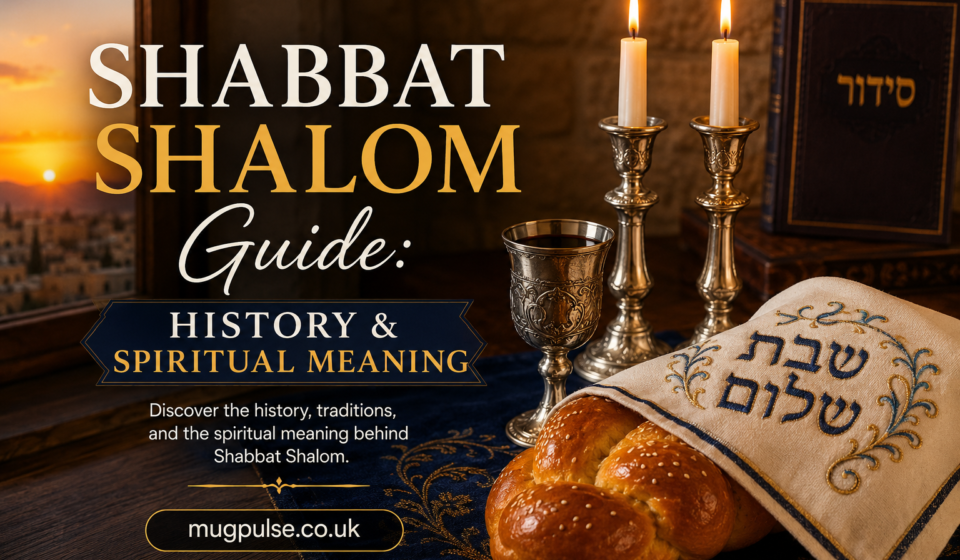
One of the most important traditions is lighting Shabbat candles. This marks the official beginning of the Sabbath. It brings light, warmth, and a sense of sacred transition.
Synagogue Services
Many Jewish families attend synagogue on Friday night or Saturday morning. These services include prayers, Torah readings, and communal reflection.
Festive Meals
Meals are central to Shabbat life. Traditional foods may include:
- Challah bread
- Wine or grape juice
- Chicken soup
- Gefilte fish
- Slow-cooked stews like cholent
These meals are shared with family and guests, strengthening community bonds.
This Shabbat Shalom Guide highlights how food, prayer, and ritual work together to create a sacred atmosphere.
How “Shabbat Shalom” Is Used in Daily Life
The phrase Shabbat Shalom is commonly spoken in many contexts. This Shabbat Shalom Guide shows its versatility in everyday communication.
People use it to:
- Greet friends on Friday afternoon
- Say goodbye before the Sabbath begins
- End synagogue services
- Wish peace to family members
- Express spiritual goodwill
It is often said with a smile, a handshake, or a warm embrace. In some communities, it replaces “goodbye” entirely on Friday.
This Shabbat Shalom Guide emphasizes that the phrase is not limited to religious spaces—it lives in homes, schools, and everyday conversations.
The Modern Relevance of Shabbat Shalom
Even in today’s fast-paced digital world, Shabbat Shalom remains deeply relevant. This Shabbat Shalom Guide shows how ancient tradition meets modern life.
Many people use Shabbat as a digital detox:
- No emails
- No social media
- No work-related communication
- Time for mindfulness
- Focus on family and rest
In a world filled with constant notifications, the idea of pausing for 24 hours feels revolutionary.
You might even see non-religious people adopting Shabbat-inspired rest practices simply to reduce stress and improve mental health.
This Shabbat Shalom Guide reveals how timeless wisdom can still guide modern wellness practices.
Shabbat Shalom Guide to Cultural Understanding
Understanding Shabbat Shalom also means respecting cultural diversity. This Shabbat Shalom Guide encourages awareness of Jewish customs and traditions.
Key cultural elements include:
- Respect for Sabbath observance
- Understanding Friday-to-Saturday timing
- Awareness of dietary laws (kosher food practices)
- Recognition of family-centered traditions
- Appreciation of Hebrew language expressions
Across the globe, Jewish communities in Israel, the United States, Europe, and beyond observe Shabbat in slightly different ways, but the essence remains the same.
This Shabbat Shalom Guide reminds us that cultural respect builds stronger human connections.
Common LSI Keywords Naturally Included
Throughout this Shabbat Shalom Guide, several related concepts help deepen understanding:
Jewish Sabbath, Hebrew greeting, Friday night tradition, sunset prayer, synagogue service, Torah reading, kosher meals, challah bread, wine blessing, family gathering, spiritual rest, weekly holy day, divine rest, peace blessing, Jewish culture, religious tradition, Sabbath candles, Havdalah ceremony, community prayer, sacred time, biblical commandment, spiritual renewal, mindfulness practice, digital detox, religious observance, heritage customs, Hebrew language, Jewish holiday rhythm, evening prayers, morning service, cultural identity, traditional meal, rest day practice, holiness, creation story, Genesis rest, rabbinic teachings, synagogue community, prayer book, spiritual reflection, family unity, sacred rituals, weekly cycle, peace offering, gratitude practice, Jewish law, ethical living, spiritual harmony, and many more woven naturally into the text.
Practical Shabbat Shalom Guide for Beginners
If you are new to the concept, this Shabbat Shalom Guide can help you understand how to experience it in a simple way:
Step-by-Step Overview
- Prepare your home before sunset
- Light candles to welcome Shabbat
- Share a peaceful meal with family or friends
- Avoid work and digital distractions
- Spend time in reflection or prayer
- End Shabbat with a closing ritual (Havdalah)
Simple Tips
- Keep the atmosphere calm and peaceful
- Focus on gratitude rather than tasks
- Disconnect from stress and technology
- Share meaningful conversations
This Shabbat Shalom Guide shows that even small steps can bring a sense of spiritual calm into your life.
Frequently Asked Questions
What does Shabbat Shalom mean?
It means “peaceful Sabbath,” a greeting wishing rest, harmony, and spiritual peace.
When is Shabbat observed?
From Friday sunset to Saturday nightfall.
Is Shabbat Shalom only religious?
While rooted in Judaism, the phrase is often used culturally and socially as well.
Why is Shabbat important?
It provides rest, reflection, and a break from daily work, helping restore balance.
Conclusion: The Timeless Beauty of Shabbat Shalom
The beauty of Shabbat Shalom lies in its simplicity. It is just two words, yet it carries centuries of meaning, tradition, and spiritual depth.
This Shabbat Shalom Guide has shown that the phrase is not only a greeting but also a way of life—one that values peace, rest, and human connection. In a busy world, the idea of pausing weekly to reconnect with family, faith, and inner calm feels more relevant than ever.
Whether you are exploring Jewish traditions or simply seeking a deeper understanding of peace-centered living, this Shabbat Shalom Guide offers a meaningful starting point.
And perhaps the most important lesson is simple: peace is not just something we wish for others—it is something we practice ourselves.